
Movie
1914
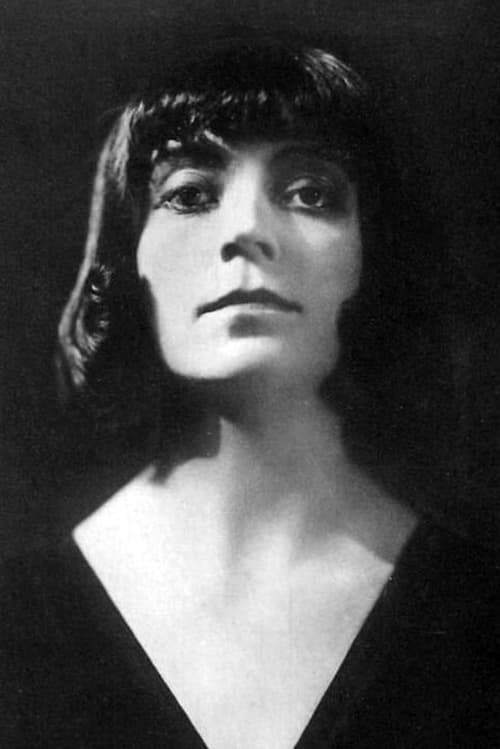
Asta Sofie Amalie Nielsen, born in Copenhagen on September 11, 1881, rose from humble beginnings to become one of cinema's most transformative forces. Her childhood was marked by hardship—her father's early death forced the family into constant movement—yet even as a young girl, she felt an unshakeable pull toward the stage. She trained as an actress and performed in small theaters before giving birth to a daughter in 1901.
Her life changed forever in 1910 with the Danish film *Afgrunden* (The Abyss). Her raw, emotionally charged performance captivated audiences worldwide, setting her apart from the exaggerated theatrical style of her peers. Nielsen's genius lay in restraint—her subtle expressions and psychologically nuanced body language redefined what screen acting could be, making her the first true international star of silent film.
Relocating to Germany, Nielsen flourished between 1911 and the early 1920s, often collaborating with director Urban Gad, who was briefly her husband. She consistently chose roles portraying fierce, independent women who defied social conventions—a daring choice for the era. Her notable works include *Die arme Jenny* (1912), *Engelein* (1914), and her remarkable 1921 interpretation of *Hamlet*, where she played the prince as a woman raised as a man.
When sound arrived, Nielsen stepped away from film, believing her artistry belonged to silence. She turned to theater, painting, and writing, publishing her candid memoirs, *The Silent Muse*, in 1946. She lived quietly in Denmark until her death on May 25, 1972, in Frederiksberg, leaving behind a legacy as a pioneer of naturalistic acting and one of the first women to command true cinematic star power.