Movie
2008
Ernesto Rafael "Che" Guevara de la Serna, born on June 14, 1928, in Argentina, was a multifaceted figure whose life spanned medicine, writing, guerrilla warfare, and political theory. He became a central force in the Cuban Revolution and a lasting symbol of rebellion worldwide.
His journey toward radicalization began during his medical studies, when he traveled across South America and witnessed the relentless poverty and suffering of its people. This experience ignited his conviction to dismantle what he viewed as imperialist exploitation. Guevara's political awakening deepened in Guatemala, where he observed the CIA-engineered overthrow of President Jacobo Árbenz, an event that cemented his revolutionary ideology. In Mexico City, he met Fidel and Raúl Castro, joining their 26th of July Movement. Aboard the yacht *Granma*, Guevara set sail for Cuba to challenge the U.S.-backed dictatorship of Fulgencio Batista. Rising swiftly through the ranks, he became a key strategist and leader in the guerrilla campaign that ultimately toppled the regime in 1959.
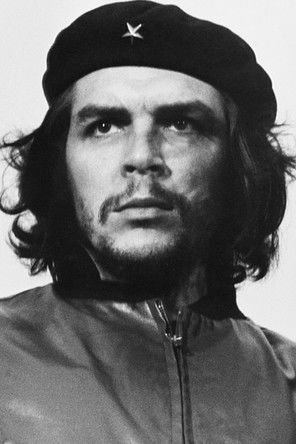
Guevara's legacy remains deeply contested. To some, he is a martyr for social justice and a visionary who championed a "new man" motivated by moral conviction; to others, he is a polarizing figure associated with authoritarian methods. His iconic image, captured in Alberto Korda's *Guerrillero Heroico*, has been hailed as one of the most recognized photographs ever taken. *Time* magazine listed him among the 100 most influential figures of the 20th century, ensuring his enduring place in both history and cultural imagination.